MOGADISHU (Banaadir24) — In a bold move to harness its rich marine resources, Somalia’s Ministry of Fisheries and Blue Economy has finalized a strategic fisheries cooperation agreement with a Turkish firm, marking a significant milestone in the nation’s economic diversification efforts.
The agreement, signed by Minister Ahmed Hassan Adan and Turkish delegates in Mogadishu, is designed to modernize Somalia’s fisheries infrastructure. It includes plans to upgrade coastal facilities, construct fish-processing centers, and boost export capacity—efforts aimed at turning the country’s 3,000‑kilometer coastline into a driver of growth and employment .
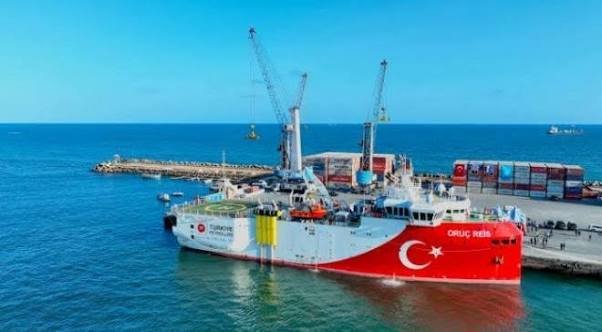
“This partnership reflects our commitment to transforming the fisheries sector and empowering coastal communities,” said Minister Adan. He noted that Turkey will provide both financial investment and technical know‑how, including equipment, training programs, and enhanced port operations .
The collaboration aligns with broader reforms spearheaded by the ministry, including the implementation of a national fisheries law and the establishment of an Exclusive Economic Zone. Such reforms aim to regulate foreign fishing activities, combat illegal harvesting, and ensure local fishermen reap the benefits .
For years, Somalia’s marine bounty has been underutilized: in 2022, artisanal fishermen landed just 6,000 tons of fish—far below the estimated sustainable potential of 200,000 tons annually—while unregulated foreign fleets illegally harvested nearly 13,000 tons .
The Turkish agreement follows a string of international partnerships aimed at revitalizing Somalia’s blue economy. Earlier memoranda with the United Arab Emirates’ ports group, for instance, laid groundwork for investment in marine monitoring, cold storage, and vocational training for fishery workers .
Analysts say the Turkish deal is particularly noteworthy for its timing. After years of civil strife, Somalia has begun solidifying state institutions and exploring regional economic partnerships. A modernized fisheries sector could offer coastal residents much-needed livelihoods—while also reducing dependency on aid .
However, experts caution that success will hinge on strong regulatory enforcement, transparent governance, and equitable benefit-sharing with local communities, especially where foreign fleets have long plundered resources with impunity .
As work begins, there’s rising optimism among fishing communities and politicians alike. For towns like Bossaso and Kismayo, where fishing is a traditional livelihood, Turkey’s engagement signals an opportunity not only to revive the sector—but to anchor it as a cornerstone of Somalia’s economic recovery.
©️ Banaadir 24, all rights reserved